
Understanding BOI Reporting: A Comprehensive Guide
BOI reporting, or Beneficial Ownership Information reporting, has become a critical aspect for businesses globally. In today’s financial landscape, ensuring compliance with BOI regulations is imperative for fostering transparency and combating financial crimes. Organizations need to be well-informed about the nuances of these requirements. This article aims to provide substantial help with BOI reporting, including its importance, compliance measures, and best practices.

What is BOI Reporting?
BOI reporting refers to the process of disclosing key information regarding the individuals who ultimately own or control a business entity. This reporting obligation has been enacted in numerous jurisdictions to enhance the transparency of corporate structures and to thwart illicit activities, such as money laundering and tax evasion. It often covers details such as the names, addresses, birth dates, and nature of ownership of beneficial owners.
Why is BOI Reporting Important?
The significance of BOI reporting cannot be overstated in the current regulatory environment. Here are several reasons why it has gained prominence:
- Anti-Money Laundering (AML) Efforts: BOI reporting is a vital component of AML initiatives, enabling authorities to track the flow of illicit funds and pursue the individuals behind them.
- Tax Compliance: Governments worldwide are pushing for transparency to ensure that taxes owed are paid. BOI reporting helps in identifying tax evaders who hide behind complex corporate structures.
- Building Trust: By disclosing ownership information, businesses can build trust with stakeholders, facilitating smoother transactions and interactions with regulators.
- Avoiding Penalties: Non-compliance with BOI reporting requirements can lead to severe penalties, highlighting the importance of adhering to these regulations.
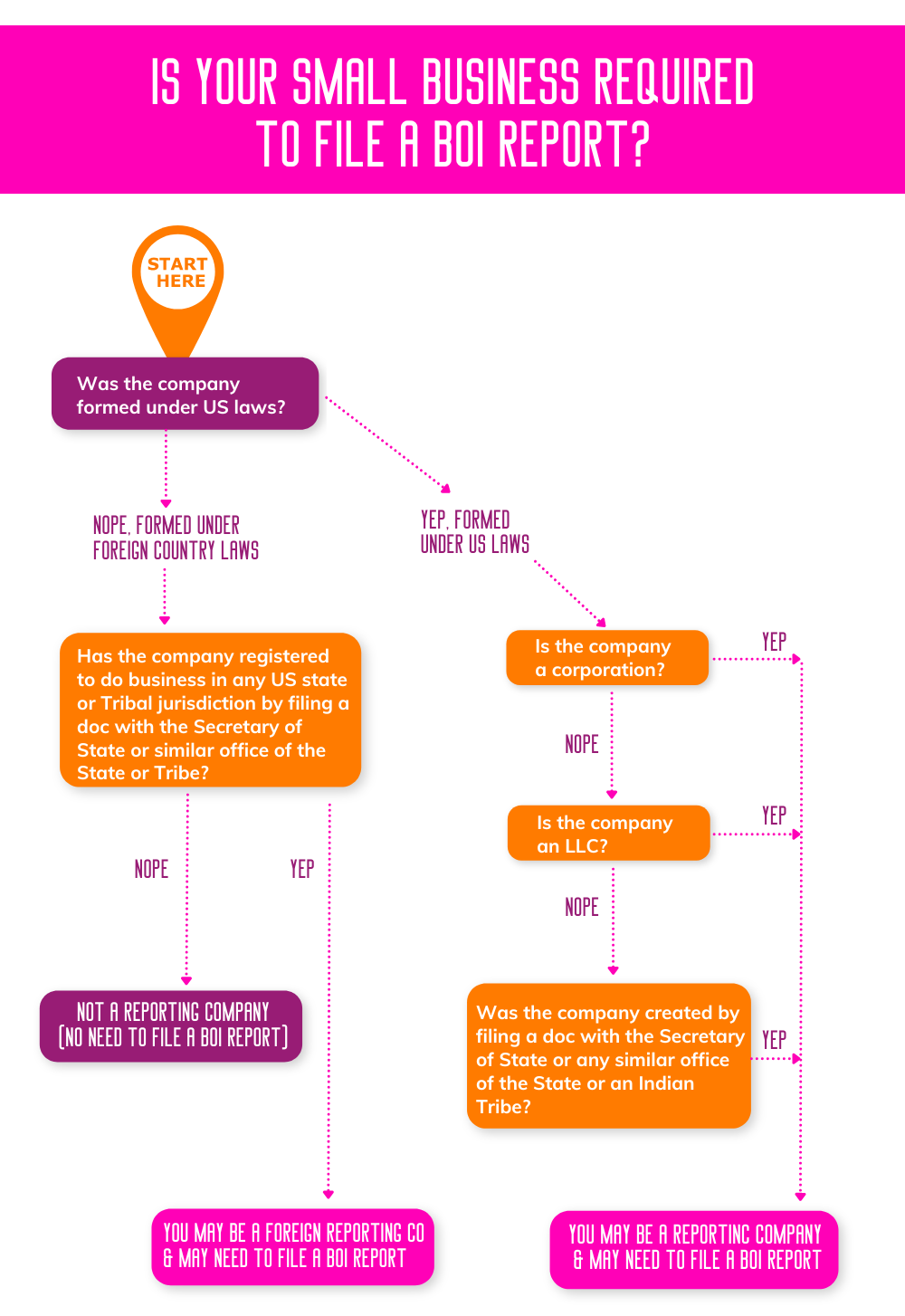
Who Needs to Report?
The obligation to report beneficial ownership information varies by jurisdiction but generally applies to:
- Corporations
- Limited liability companies (LLCs)
- Trusts
- Partnerships
Even small businesses must comply with BOI reporting regulations if they fall within the specified thresholds or are engaged in certain high-risk industries.
Key Compliance Requirements
Complying with BOI reporting standards involves several critical requirements that organizations must fulfill:
- Identification of Beneficial Owners: Businesses must accurately identify and maintain records of individuals who are considered beneficial owners.
- Timely Reporting: Regular updates to BOI information must be submitted, particularly when there are changes in ownership structure.
- Privacy Considerations: While transparency is crucial, businesses must also navigate the privacy rights of individuals, safeguarding sensitive information where required.
- Validation of Information: Ensuring the accuracy of the reported information demands careful validation processes.
Steps to Prepare for BOI Reporting
To ensure adherence to BOI reporting requirements, businesses can follow these essential steps:
- Conduct Due Diligence: Gather and identify data on all beneficial owners through due diligence processes.
- Create a BOI Register: Develop and maintain an internal register that documents beneficial owners and their ownership share.
- Review Corporate Structure: Regularly audit and reassess the corporate structure to maintain accuracy in the BOI report.
- Stay Informed: Keep abreast of any changes in legislation or guidelines related to BOI reporting to remain compliant.
- Seek Professional Guidance: Consulting with legal and compliance experts can provide invaluable insights and ensure thorough understanding of obligations.
Challenges in BOI Reporting
Despite the clear need for BOI reporting, several challenges exist:
- Complex Ownership Structures: Many businesses may have intricate structures that make it difficult to determine beneficial owners accurately.
- Lack of Awareness: Organizations often lack awareness of their reporting obligations, leading to unintentional non-compliance.
- Privacy Concerns: Balancing transparency requirements with individual privacy can pose ethical and legal dilemmas.
Best Practices for Successful BOI Reporting
To navigate the complexities of BOI reporting effectively, organizations should consider implementing the following best practices:
- Use Technology: Leverage technology and software solutions to streamline data collection, reporting, and compliance tracking.
- Regular Training: Conduct training sessions for employees regarding BOI reporting to ensure everyone understands their roles and responsibilities.
- Internal Audits: Regularly perform internal audits to ensure compliance and identify any gaps in reporting processes.
- Engage with Authorities: Establish open lines of communication with regulatory bodies to clarify requirements and seek guidance as needed.
The Future of BOI Reporting
As global standards for financial transparency continue to evolve, the landscape of BOI reporting is likely to change as well. Many countries are working towards uniform reporting standards, which will facilitate cross-border compliance and create a more trusted business environment. Staying proactive in understanding and adapting to these changes will be critical for organizations aiming to meet their legal obligations effectively.
Conclusion
BOI reporting represents an important shift towards greater transparency and accountability in the corporate world. While it may present challenges, the potential benefits of complying with these regulations—such as improved business reputation, enhanced trust, and avoidance of legal repercussions—far outweigh the difficulties. Organizations must prioritize their understanding and execution of BOI reporting requirements to operate successfully in today’s regulatory environment.