
What Sites Are Not On: Understanding the Internet’s Hidden Corners
In the vast web of digital information, not every site is created equal or even aligned with the regulations that guide many well-known platforms. Among these hidden corners, we find unique gambling experiences such as what sites are not on GamStop non GamStop casinos, which provide services outside the normative gaming regulations. The internet is a prosperous place full of opportunities, but it is also a landscape rife with unregulated and less-discussed sites. This article delves into what it means to operate outside of common frameworks and highlights some significant categories of such sites.
The Nature of Unregulated Sites
Unregulated sites can encompass a variety of platforms, from online gambling to social networks, forums, and even e-commerce sites. Often, these platforms do not adhere to standard industry practices, consumer protections, or regulatory frameworks enforced in many jurisdictions. This lack of oversight can lead to both positive and negative outcomes for users. For instance, while some may appreciate the freedom and variety, others may encounter risks associated with privacy, security, and fairness.
Types of Unregulated Sites
1. Online Gambling Sites
One of the most notable categories of unregulated sites are online gambling platforms.
Non GamStop casinos are a prime example of this phenomenon. These casinos operate outside the GamStop self-exclusion service, which is designed to help individuals who wish to limit their gambling activities. As a result, players who have opted for self-exclusion in the UK can find their way back to gambling through these casinos, raising questions about responsible gaming. While these platforms often provide enticing bonuses and fewer restrictions, they also lack the protections and player support offered by regulated sites.
2. Dark Web Platforms
The dark web is infamous for its unregulated nature. It hosts a variety of services ranging from illegal marketplaces for drugs and firearms to forums where sensitive information is exchanged. Accessed through special software like Tor, these sites are nearly invisible to search engines and are frequently associated with illicit activities. While the dark web has legitimate uses, such as providing a platform for free speech in oppressive regimes, it is mostly known for its risks and dangers.
3. Unofficial Streaming Sites
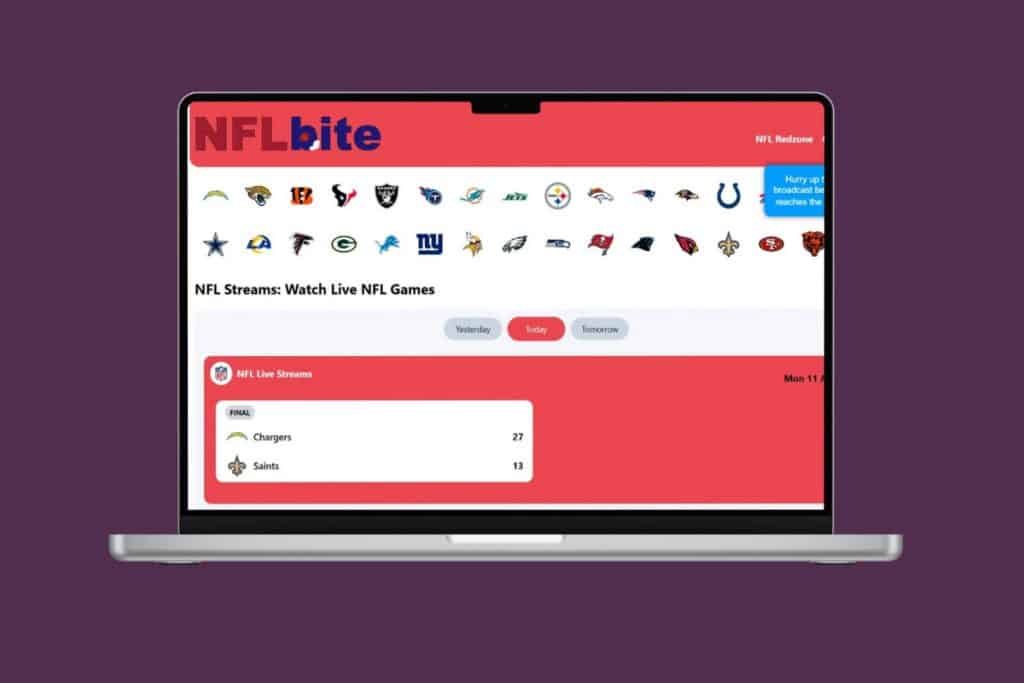
In the digital entertainment landscape, countless unofficial streaming sites operate outside copyright laws. These platforms allow users to access a vast library of movies and TV shows without paying for subscriptions or rentals. While they provide free content, they also raise significant legal concerns and expose users to malware and low-quality viewing experiences. Moreover, their operation undermines the revenue streams of legitimate content providers.
4. Peer-to-Peer Sharing Platforms
Similar to unofficial streaming sites, peer-to-peer (P2P) sharing platforms allow users to exchange files directly with one another. While these networks can facilitate the sharing of non-copyrighted content, they are often misused for distributing pirated materials. This practice poses risks for users, including legal repercussions and exposure to insecure files containing malware.
The Risks of Using Unregulated Sites
Engaging with unregulated sites can come with a number of serious risks:
1. Security Issues
Many unregulated sites lack the cybersecurity measures that protect user data and transactions on mainstream platforms. Users may face the risk of data breaches, identity theft, and exposure to malicious software. These sites often do not prioritize their users’ privacy, making it important for individuals to exercise caution when sharing personal information or financial details.
2. Legal Consequences
Accessing certain unregulated sites can lead to legal scrutiny, as engaging with them may violate local laws or international regulations. Users could find themselves facing fines or legal action if they inadvertently partake in illegal activities associated with these platforms.
3. Unreliable Quality
On unregulated sites, the lack of industry standards can result in a wide variability of quality. Whether it’s online gambling, streaming, or product purchases, users may encounter unfair practices, subpar content, or scams that result in financial loss.
How to Navigate Unregulated Sites Safely
For those determined to explore the hidden corners of the internet, there are steps to minimize risks:
1. Research and Verify
Before engaging with any unregulated site, conduct thorough research. Look for user reviews, independent assessments, and any available information on the site’s reputation. A poorly reviewed site may indicate potential risks.
2. Use Security Software
Invest in robust cybersecurity software that can protect your device from malware and unwanted intrusions. This is especially critical when navigating unregulated sites, as they may not have the same protection as mainstream counterparts.
3. Stay Informed About Legal Risks
Understand the laws regarding the use of unregulated sites in your jurisdiction. This knowledge can help you steer clear of legal trouble and make informed decisions about your online activities.
Conclusion
The internet is a diverse space filled with both regulated and unregulated sites. While exploring the latter can lead to unique experiences and opportunities, it is crucial to remain vigilant and informed about the potential risks involved. By understanding what sites are not on and taking necessary precautions, users can navigate these hidden corners of the web more safely while enjoying the benefits they offer.