

The Thrill of Horse Racing: Unblocked Paths to Victory
Horse racing is not just a sport; it’s an exhilarating blend of speed, precision, and strategy, drawing millions of fans worldwide. This timeless tradition transcends mere competition, embodying a rich tapestry of culture, excitement, and community. You can dive deeper into this fascinating universe of equestrian prowess and horse management through resources like horse racing not blocked by GamStop https://merseysidepolicemounted.uk/. In this article, we will explore the various facets of horse racing, its rules, significance, and how this beloved activity continues to thrive without obstacles.
The History of Horse Racing
Horse racing has ancient roots dating back thousands of years. It is believed to have originated in Central Asia, with evidence of horse racing found in ancient Greece, Rome, and Egypt. Throughout history, it has evolved from a source of entertainment and military training to a widely organized sport. In the 18th century, modern horse racing began to take shape in England with the establishment of recognized racing rules and the first official racecourses, paving the way for the sport we know today.
The Different Types of Horse Racing
Horse racing encompasses various disciplines, each with its unique characteristics and fan bases. Here are a few popular types:

- Flat Racing: This is the most common form of horse racing. Horses race on a flat track, primarily competing over distances ranging from five furlongs to two miles. Flat racing emphasizes speed, and the winners are often determined by their agility and pacing.
- Jump Racing: Also known as National Hunt racing, this type involves horses racing over obstacles. This form is prevalent in the UK and Ireland, with horses trained to jump hurdles and ditches, making it both risky and thrilling.
- Harness Racing: In harness racing, horses pull a two-wheeled cart called a sulky while trotting or pacing. This discipline is particularly popular in the United States and offers a unique dynamic as fans cheer on the horses and drivers.
The Thrill of Betting in Horse Racing
One of the most exciting aspects of horse racing is betting. Many fans participate in placing wagers on their favorite horses, adding an extra layer of excitement to the event. Betting can involve various options, including:
- Win: A bet on a horse to finish first.
- Place: A bet on a horse to finish in the top two or three, depending on the race rules.
- Show: A bet on a horse to finish in the top three.
- Exacta: A bet on two horses to finish first and second in the correct order.
As horse racing progresses, new betting markets such as online platforms and in-play betting are gaining traction, allowing fans to engage dynamically in the races.
The Role of Trainers and Jockeys
At the heart of horse racing lies the dedicated work of trainers and jockeys. Trainers are responsible for preparing the horses through rigorous training regimens, assessing their nutrition, and ensuring they are in peak physical condition. They play a significant role in developing a horse’s potential, understanding its temperament, and choosing the right strategy for each race.
Jockeys, on the other hand, are the athletes who pilot the horses during races. Skilled in controlling speed and positioning, they must have a deep understanding of their horse’s nuances. Jockeys often form a unique bond with their horses, which is essential for achieving success on race day.
The Economic Impact of Horse Racing
Horse racing is not only a thrilling sport but also a significant economic contributor. The industry generates substantial revenue from multiple avenues:
- Racecourse Operations: The establishment and maintenance of racetracks provide jobs and contribute to local economies through tourism and hospitality.
- Breeding and Training: The breeding industry thrives as enthusiasts invest in quality bloodlines to produce high-performing racehorses.
- Betting Revenue: Betting taxes and revenue generated from wagering support local and national economies, funding infrastructure and community programs.
Challenges and Innovations in Horse Racing
Despite its popularity, horse racing faces several challenges. Issues such as doping scandals, concerns over horse welfare, and competition from other forms of entertainment threaten the integrity of the sport. However, the industry is innovating to address these challenges. For instance, advancements in veterinary care, anti-doping measures, and increased transparency are being implemented to ensure the safety and well-being of the horses.
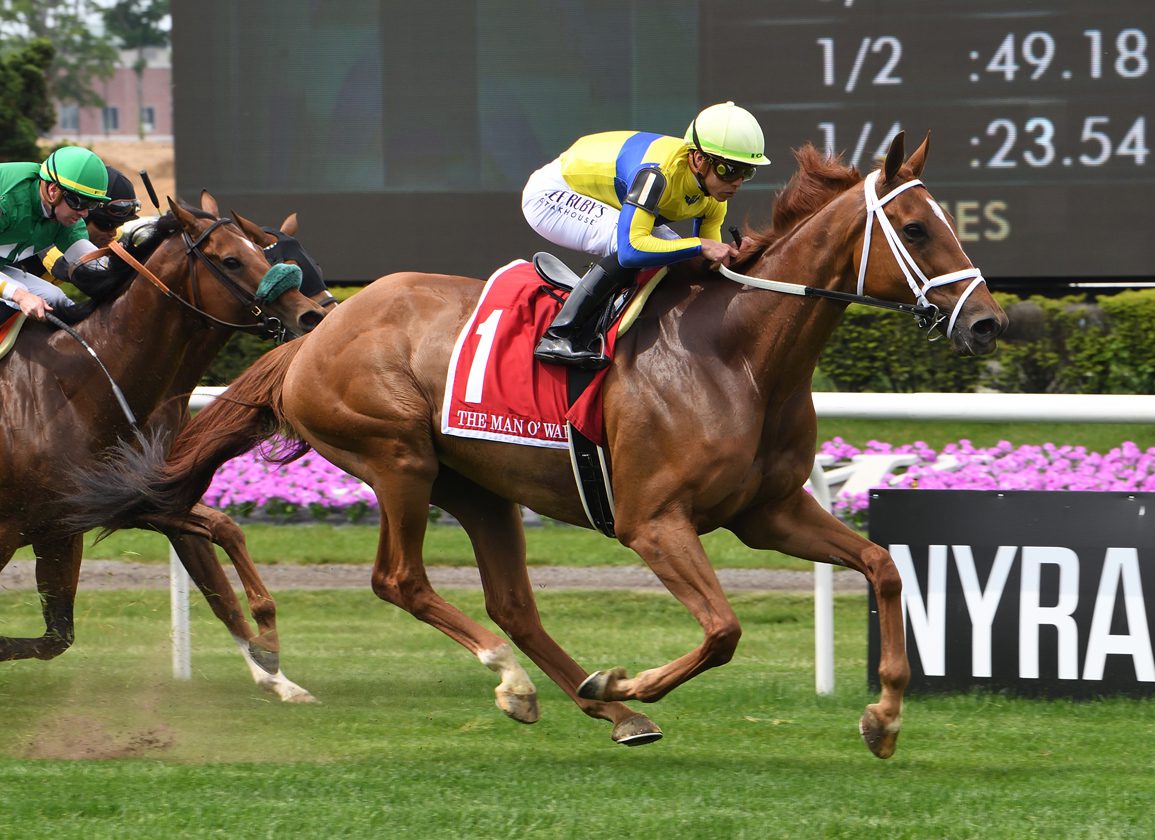
Furthermore, the rise of digital media and technology has transformed how fans interact with horse racing. Live streaming services, social media engagement, and mobile betting applications have made it easier for fans to follow their favorite events, fostering a younger audience in the process.
The Future of Horse Racing
Looking ahead, horse racing shows promise for continued growth and excitement. As efforts are made to enhance horse welfare, integrate technology, and attract diverse audiences, the sport continues to evolve harmoniously with its rich traditions. The vibrant atmosphere at major races such as the Kentucky Derby and Royal Ascot will continue to capture the essence of what makes horse racing timeless and unblocked by any barriers.
Conclusion
Horse racing remains a cherished sport, steeped in tradition and rich history. From the action-packed races to the social gatherings at the tracks, it offers unparalleled excitement and community spirit. As the industry embraces innovations while respecting its roots, horse racing stands poised for a bright and thriving future, ensuring that the paths to victory remain unblocked for participants and fans alike.